The Complete Guide to Wedding Dress Bustle Styles
April 07 Wedding IDEAS, INSPIRATION AND INSIDER TIPS
9 Types Explained — How to Choose the Right Bustle for Your Gown
What Is a Wedding Dress Bustle?
A wedding dress bustle is an alteration sewn into the back of your gown that lifts and secures the train off the floor after your ceremony. Once your vows are spoken and photos are taken, a bustle transforms your look from ceremony-ready to reception-ready — letting you dance, move, and celebrate with ease.
Bustles are created using hooks, buttons, loops, ribbons, or drawstrings depending on the style. And while they're undeniably functional, the right bustle can also elevate the visual drama of your dress — turning the back of your gown into its own statement moment.
In this guide, we walk through all 9 wedding dress bustle types, explain which gown silhouettes they pair with best, and help you ask the right questions at your alterations appointment.
Quick Answers: Common Bustle Questions
What is the most popular bustle for wedding dresses?
The American (over) bustle and the French (under) bustle are by far the most popular choices. The American bustle creates a romantic cascading effect on the outside of the gown, while the French bustle tucks the train underneath for a seamless look. Both are simple for bridesmaids to execute and work with a wide range of silhouettes.
How much does adding a bustle cost?
Bustle alterations typically range from $100 to $350 depending on the complexity of the style, train length, the number of bustle points, and the weight and layers of your fabric. Elaborate gowns with extensive layers that require hand sewing can reach $400 or more.Simpler styles like the American or wristlet bustle tend to be on the lower end, while elaborate options like the Austrian or Royal bustle may cost more due to the labor involved.
When should I decide on my bustle style?
Bring up the bustle at your first alterations appointment — ideally several months before your wedding. This gives your seamstress time to sew it properly and gives you time to practice. Always schedule a dedicated bustling rehearsal with whoever will be helping you on the wedding day (typically your maid of honor).
What bustle works best for a mermaid wedding dress?
The French bustle (under bustle) is the go-to for mermaid and trumpet silhouettes because it tucks underneath the fitted skirt without adding visible bulk. The sling bustle is a stylish asymmetrical alternative that also works beautifully with fitted gowns.
Can a bustle be added to any wedding dress?
Most full-length gowns with a train can accommodate a bustle. The style of bustle you choose will depend on your train length, the fabric weight, and the placement of embellishments like beading or lace. Your seamstress will guide you toward the best option based on your specific dress.
American Bustle (Over Bustle)
The American bustle — also called the traditional or over bustle — is the most popular choice for brides. The train is lifted and secured to the outside of the gown near the waistline using hooks or buttons, creating an elegant cascading effect that flows from the back.
Best For: A-line, ball gown, and mermaid silhouettes; especially stunning with cathedral trains.
How It Works: Hooks or buttons sewn on the outside of the skirt lift and secure the train over the top of the gown.
✓ Pros: Easy for bridesmaids to apply; works with most silhouettes; creates a beautiful romantic drape.
✗ Consider: The bustle points are visible on the outside of the gown, which may not suit all styles.
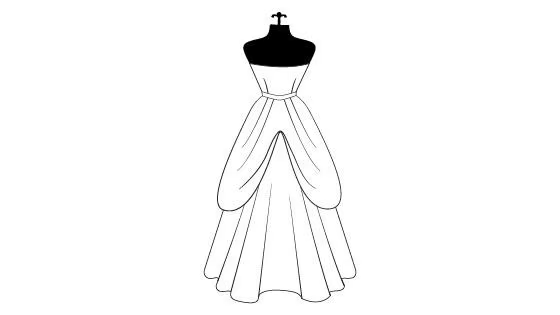
BOW BUSTLE
Designed specifically for gowns featuring a statement bow at the back, this bustle style is engineered to showcase — not hide — that focal detail. The train folds above the dress and attaches just below the bow, keeping the bow fully on display throughout your reception.
Best For: Gowns with a decorative back bow; structured or ballgown silhouettes with back detailing.
How It Works: The train is folded upward and secured beneath the bow so that the bow remains the center of attention.
✓ Pros: Highlights a beautiful design feature; keeps the bow visible all night; adds a playful, romantic touch.
✗ Consider: Only suitable for gowns that already have a bow; not a flexible option for other dress styles.
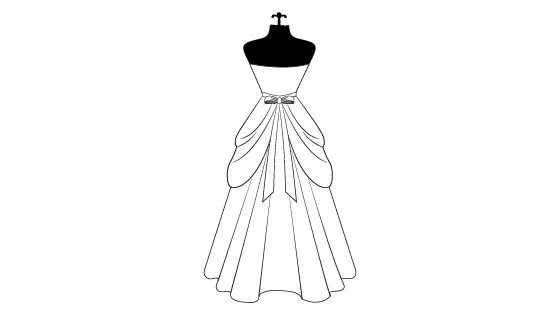
French Bustle (Under Bustle)
The French bustle, or under bustle, is the second most-requested style. Rather than securing the train over the dress, it is tucked underneath and fastened with internal ties or ribbons. The result is seamless and elegant — the embellishments on your skirt stay fully visible.
Best For: Mermaid, trumpet, and fit-and-flare silhouettes; lace and satin gowns with waist-level embellishments.
How It Works: The train is folded under the skirt and attached from the inside, usually with loops or ribbons.
✓ Pros: Creates a smooth, invisible look; keeps the train concealed without disrupting the gown's silhouette.
✗ Consider: Slightly more complex to attach on the day; not ideal if your embellishments are at the hemline, as they'll be hidden.
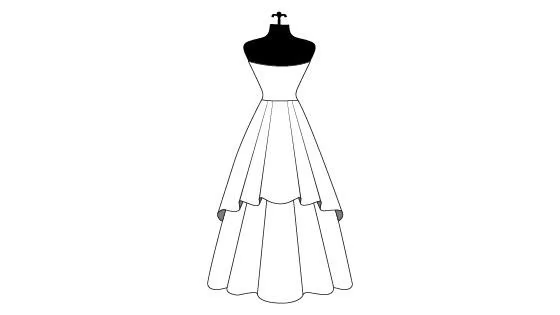
ROYAL BUSTLE
For brides who want drama at the back of their gown, the royal bustle delivers. This style gathers the train at multiple points and affixes it to the dress, creating voluminous folds and layers that make an immediate visual statement. It's a vintage-inspired look with serious runway appeal.
Best For: A-line and ball gown silhouettes; brides seeking a vintage or editorial aesthetic.
How It Works: The train is gathered and pinned at several attachment points to create stacked, dramatic folds.
✓ Pros: Incredibly eye-catching; adds visual volume and grandeur to the back of the dress.
✗ Consider: One of the more complex styles to execute; requires a skilled seamstress and a confident bridesmaid.
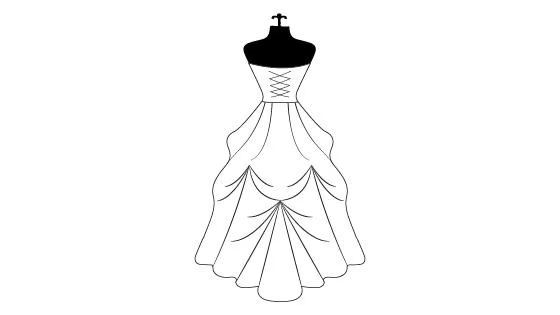
Ballroom Bustle
The ballroom bustle is the ultimate magic trick — it makes your train completely disappear. Multiple bustle points lift the train and tuck it fully under the gown, giving the illusion of a floor-length dress with no train at all. Guests may do a double-take, thinking you've changed into a shorter gown.
Best For: Ball gowns and full-skirt silhouettes; brides who want to fully conceal the train for dancing.
How It Works: Multiple attachment points — hooks, buttons, or ribbons — lift the entire train flush underneath the gown.
✓ Pros: Completely hides the train; very polished and symmetrical; great for active receptions.
✗ Consider: Requires more bustle points, which means more time and cost during alterations.

The Austrian bustle is one of the most intricate and artistic options available. A drawstring mechanism is sewn into the train, which can be pulled to create a cascading series of ruffles. It can be applied symmetrically at the center back or through the side for an asymmetrical, dramatic effect. Rare and beautiful.
Best For: A-line and sheath silhouettes; gowns in lightweight fabrics like chiffon or organza.
How It Works: A drawstring sewn into the train is pulled and tied to gather the fabric into elegant vertical ruffles.
✓ Pros: Truly unique and artistic; creates rich texture and dimension; adjustable ruffle height.
✗ Consider: Complex and labor-intensive to create; may not hold well in heavier fabrics.
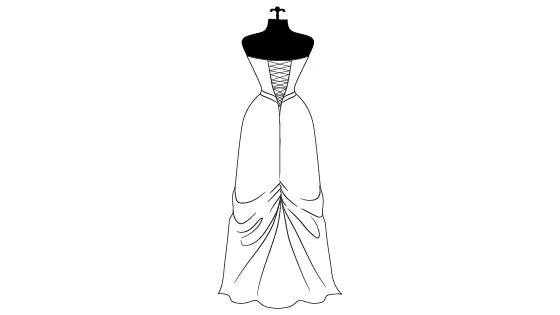
English Bustle (Pick-Up Bustle)
The English bustle — also known as the pick-up bustle — is closely related to the ballroom style but works especially well for gowns with long trains and a tailored hip. The train is simply picked up and attached to the outside of the dress, creating a natural gathered effect without a lot of fuss.
Best For: Gowns with long trains and a fitted or tailored silhouette through the hips.
How It Works: The train is lifted and attached to the exterior of the dress, creating soft gathers at the back.
✓ Pros: Simple method; polished look; works well with structured silhouettes.
✗ Consider: Similar to the American bustle visually; may not suit very full or layered skirts.
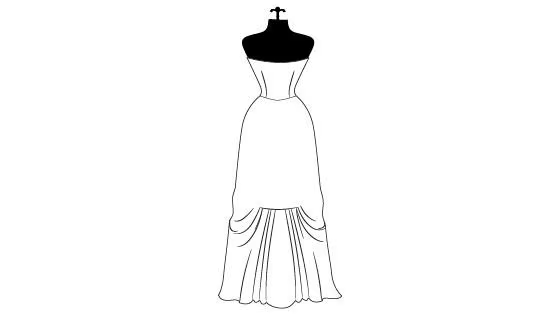
SLING BUSTLE
For brides who love an asymmetrical, fashion-forward look, the sling bustle is a standout. One side of the train is lifted and secured to the hip, creating an elegant off-center drape. It's relatively simple to execute but delivers a big visual impact — especially beautiful for editorial or modern weddings.
Best For: Fitted silhouettes; modern, minimalist, or editorial bridal styles.
How It Works: The train is gathered to one side and secured at the hip or waist with a hook or loop.
✓ Pros: Chic and unexpected; easy to apply; creates a flowing, asymmetrical drape.
✗ Consider: Only works well with lighter trains; may shift during active dancing.
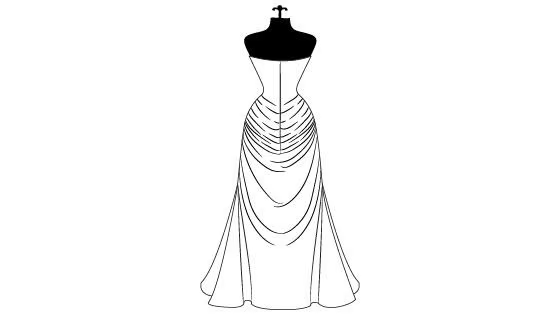
WRISTLET BUSTLE
The wristlet bustle takes a completely different approach — instead of being sewn up to the gown permanently, a small loop is attached to the train and slipped around the bride's wrist. This keeps the train off the floor and gives the bride full control over it throughout the reception.
Best For: Simple, lightweight dresses with modest trains; silk sheaths and A-line gowns.
How It Works: A fabric loop sewn to the train is worn around the bride's wrist, allowing her to lift the train herself.
✓ Pros: No pinning required on the day; gives the bride full independence; elegant for lighter gowns.
✗ Consider: Not practical for heavy fabrics or full skirts; the bride must hold it throughout the event.
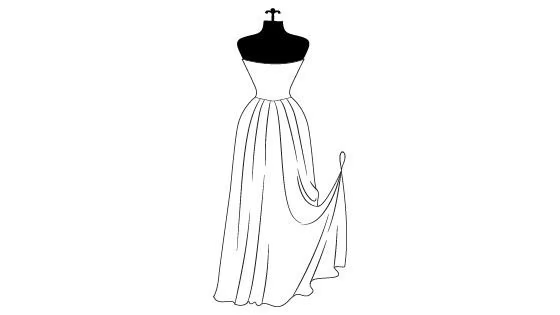
At a Glance: Bustle Style Comparison
|
Bustle Style |
Best Silhouette |
Effect |
Complexity |
|
American |
A-line, Ball, Mermaid |
Cascading drape over gown |
Low |
|
French |
Mermaid, Trumpet |
Seamless, hidden train |
Medium |
|
Ballroom |
Ball Gown, Full Skirt |
Train disappears entirely |
High |
|
Royal |
A-line, Ball Gown |
Dramatic layered folds |
High |
|
Bow |
Ball, Structured |
Highlights back bow detail |
Medium |
|
Austrian |
A-line, Sheath |
Ruffled drawstring gather |
Very High |
|
English |
Long Train, Tailored |
Soft exterior gathers |
Low |
|
Sling |
Fitted, Modern |
Asymmetrical side drape |
Low |
|
Wristlet |
Simple, Lightweight |
Bride holds train herself |
None |
How to Choose the Right Bustle for Your Wedding Dress
With nine options on the table, the right bustle depends on four key factors:
1. Your Gown Silhouette
The shape of your dress is the biggest deciding factor. Ball gowns and A-lines have the most flexibility and work with nearly every style. Mermaid and trumpet gowns do best with the French or sling bustle, which won't add unwanted volume to the hips. Sheath and minimalist gowns pair beautifully with the Austrian or wristlet styles.
2. Train Length
Longer, heavier trains need multiple attachment points for security — that points toward the ballroom, royal, or American styles. Shorter or lighter trains open the door to simpler solutions like the French, English, sling, or wristlet bustle.
3. Fabric and Embellishment Placement
If your gown's most beautiful lace or beadwork is near the waistline, an over bustle (American or English) will keep it visible. If the details are near the hemline, avoid the French bustle — it will fold them underneath. Lightweight fabrics like chiffon work brilliantly with the Austrian drawstring style. Heavy satins and Mikado fabrics do better with the American or ballroom approach.
4. Reception Plans and Venue
Are you planning to dance all night? Prioritize a secure bustle with multiple points — like the ballroom or American. Having an outdoor ceremony on grass or a beach? A simpler style or wristlet lets you manage the train yourself. For formal ballrooms and seated dinner receptions, the royal or Austrian bustle adds statement-worthy impact.
|
💡 Pro Tip: Practice Makes Perfect At your final fitting, bring whoever will be bustling your dress on the wedding day — your maid of honor, mom, or a bridesmaid. Have them practice until it feels natural. Consider recording a short video on your phone so you have a reference on the big day. |
Bustle Costs and Alteration Tips
Bustles are typically added toward the end of your alteration process, after other adjustments have been finalized.
Here's what to keep in mind:
- Basic styles (American, English, sling, wristlet): $90-$150
- Intermediate styles (French, bow, ballroom): $150-$275
- Complex styles (royal, Austrian with multiple points): $300-$400+
- Beaded or heavily layered gowns may require extra time and cost
- Some seamstresses charge rush services or surcharges during peak wedding season due to increased demand
- High cost of living areas like NYC or Los Angeles or specialized bridal salons may charge more compared to an indepedent seamstress
- Always discuss the bustle at your first alteration appointment to avoid surprises.
Explore More at Moonlight Bridal
Your bustle choice is deeply connected to your gown silhouette. If you're still searching for the perfect wedding dress, explore these collections at Moonlight Bridal:
- Ball Gown Wedding Dresses
- A-Line Wedding Dresses
- Mermaid Wedding Dresses
- Lace Wedding Dresses
- Simple Wedding Dresses
- Bohemian Wedding Dresses
Final Takeaways
A bustle is so much more than a practical afterthought. The right style can transform the back of your gown into a show-stopping second look and give you the freedom to celebrate fully on your wedding day.
Here are the key takeaways to remember:
- Discuss your bustle preference at your very first alterations appointment.
- Choose based on your silhouette, train length, fabric, and reception plans.
- Assign and rehearse with your bustle helper well before the wedding day.
- Budget $150-$300+ at minimum for your wedding gown bustle, depending on complexity, and factor this into your total wedding budget.
- Remember: the bustle is one of the final steps — but one of the most important.
Ready to find the gown that matches your vision? Browse Moonlight Bridal's full wedding dress collection by using our Store Locator to find a local retailer near you.
Comments:
Leave a comment: